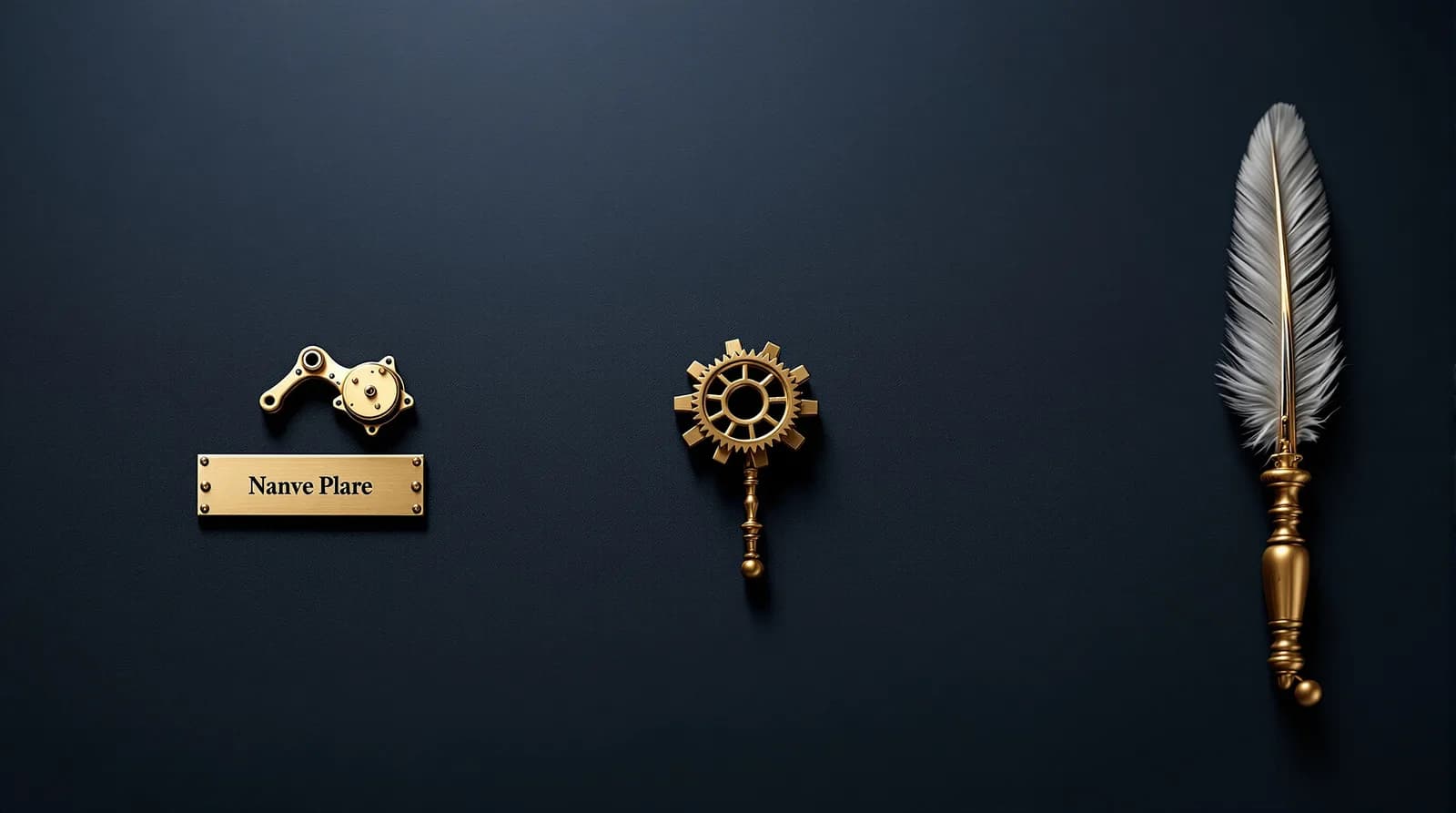
Three rights, three different jobs. A trademark protects what your business is called, the name, the logo, the slogan. A patent protects an invention or a process, the way something works. A copyright protects creative work you made, a book, a song, a photo, source code.
Clients mix them up constantly, so here is the test I give them.
Key takeaway: protecting a name or a brand is a trademark. Protecting how something works is a patent. Protecting something you wrote, drew, or recorded is a copyright.
Trademark
This one covers the things that tell a customer it is you. Your firm name. The logo on your door. You file it with the USPTO, and as long as you keep using it and renewing it, it does not expire. That is the unusual part: a trademark can last forever.
Patent
A patent covers an invention. A machine, a process, a genuinely new and useful improvement on one. You file it with the USPTO too, and a utility patent runs 20 years from the filing date. It is the hardest of the three to get, because the invention has to be new and non-obvious, and an examiner spends years testing whether it really is.
Copyright
A copyright covers original creative work the moment you fix it in some tangible form. You own it automatically, the second you write the words or save the file. Registering with the US Copyright Office is optional, but it gives you far stronger footing if you ever have to sue. It lasts your lifetime plus 70 years.
So which do you need?
Often more than one. A software company can hold a patent on its method, a trademark on its name, and a copyright on its code, all at the same time, and none of them step on the others. When two feel like they overlap, that is the moment to spend twenty minutes with an attorney rather than file the wrong thing.